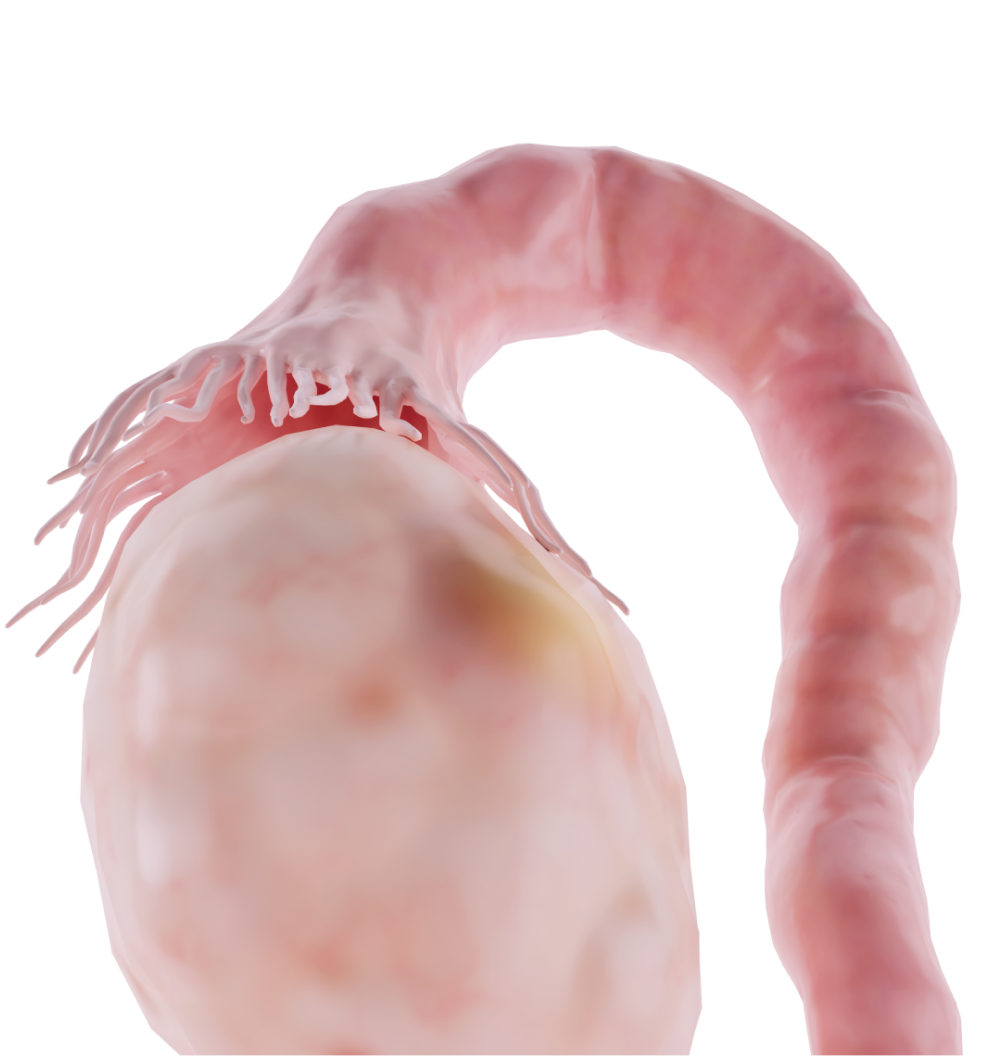
Arterial aneurysms
An aneurysm is an outward bulging of a thinned arterial wall with a > 50 % increase in diameter compared to the normal size of the unaffected vessel.
Etiology and Pathogenesis
Arterial aneurysms may develop for multiple reasons. The key factors are given below.
1. Atherosclerosis
Atherosclerosis is thought to disrupt blood supply to the arterial wall, leading to hypoxia, deterioration of its structure and elasticity, which in combination, lead to arterial dilation.
2. Inflammatory and autoimmune diseases (Takayasu arteritis, giant cell arteritis, Behçet disease, rheumatoid arthritis, etc.)
The mechanism of this group of aneurysms is not yet clear. In Takayasu arteritis,
The body’s immune response to a certain irritant may lead to T-cell infiltration in the adventitia and media of the arterial wall. As a result, a large number of cytokines and growth factors are produced, and the arterial wall becomes inflamed. Moreover, inflammatory macrophages generate matrix metalloproteinases that further destroy the endothelial barrier. Eventually, the artery may develop an aneurysm/stenosis/occlusion.
3. Trauma (including iatrogenic ones).
These include gunshot and fragment wounds, traumas associated with road traffic accidents, and other types of trauma. Arterial puncture complications (pseudoaneurysms are more typical in this case) or angiosurgery complications (aneurysms around anastomoses/angioplasty, aortic dissection) may also trigger the condition.
4. Genetic disorders (Marfan syndrome, Loeys — Dietz syndrome, vascular Ehlers — Danlos syndrome, Beals syndrome, familial aortic aneurysm, etc.)
Various genetic mutations may affect the structure of the connective tissue and elasticity of the arterial wall, leading to its dilation. For instance, Marfan syndrome is characterized by disorders in FBN1, which encodes fibrillin-I; Loeys — Dietz syndrome is associated with TGFBR1 or TGFBR2 mutations; Ehlers — Danlos syndrome is responsible for COL3A1 anomalies, leading to collagen-III deficit.
5. Infections and systemic diseases (syphilis, tuberculosis, fungal infections)
In syphilitic aortitis, first the adventitia involving the vasa vasorum becomes inflamed. It then leads to wall hyperplasia, ischemic damage to the smooth muscle cells of the inner layers of the artery, and, eventually, aneurysmal dilation.
Aneurysms are often complicated by a rupture and/or dissection and may be accompanied by hemorrhage and thromboembolic events.
A dissecting aneurysm results from various factors and their combinations (trauma, atherosclerosis, hypertension, iatrogenesis, etc.), where the layers of the arterial wall separate. Blood emerges into the space between the arterial intima and media, thus forming true and false lumens. A dissection may be either local or extend to the whole vessel along its length, as well as to its branches. Malperfusion may develop when the vessels that supply organs with blood are affected. This phenomenon means that blood supply is disturbed or completely obstructed, leading to ischemia.
Major risk factors of arterial aneurysms include hypertension, hyperlipidemia, smoking, and diabetes mellitus.
Classification
By anatomical location:
- aneurysms of the abdominal aorta branches;
- aneurysms of the upper limbs;
- aneurysms of the iliac artery;
- aneurysms of the lower limbs;
- aneurysms of the visceral branches of the abdominal aorta.
By form:
- Saccular (bulging occurs in one wall);
- Fusiform (diffuse bulging along the whole diameter of the vessel).
By type:
- True (bulging in all three walls);
- False (a space near the artery that communicates with the vessel’s lumen but is formed only by the arterial adventitia and/or its surrounding tissues);
- Dissecting (the arterial wall layers become separated, often due to damage to one of the layers).
Clinical Manifestations
Most cases of aneurysms are asymptomatic for long periods of time. Sometimes symptoms may develop that point to compression of the surrounding structures. Thrombosis or an aneurysm rupture may trigger acute symptoms.
In superficial aneurysms, a pulsating, sometimes painful formation is palpable in the projection of a potential aneurysm.
Aneurysms of branches of the aortic arch may lead to an ischemic stroke due to thromboembolic events; transient ischemic attacks; compression-related damage to the adjacent organs and tissues (such as the jugular vein, vagus nerve, or recurrent laryngeal nerve), leading to dysphagia, speech disorders, headaches, hoarseness, etc.
In rare cases, thromboembolic events or aneurysm ruptures in the upper and lower limbs may present with no pulse distal to the affected site, paresthesia, and ischemia.
Aneurysms of the iliac artery cause symptoms only when complications develop. Aneurysm ruptures are often fatal as patients fail to be admitted to hospital in time. The condition is generally associated with abdominal and back pain, signs of acute blood loss, and shock. Thrombolism is characterized by sudden pain attacks, limb edema, no pulse distal to the affected site, cyanosis, or pallor. Some symptoms may develop due to compression of the urogenital and intestinal organs.
Aneurysms of visceral arteries typically become symptomatic when they rupture or fistulas form. A rupture is a life-threatening condition. Fistulas, on the other hand, may provoke recurrent hemorrhage. Thromboembolic events in the affected artery may induce ischemia in the corresponding organs.
Damage to the renal artery may also trigger hematuria, resistant hypertension, and back pain. Aneurysms of the hepatic arteries may compress the biliary tract once jaundice manifests.
Diagnosis
Ultrasound: This method helps assess blood flow through the vessel, aneurysm form and size, as well as identify thrombotic masses.
CT angiography, MRI, arteriography: These techniques aim to visualize aneurysms and precisely determine a range of parameters:
- form,
- length,
- affected vascular bed,
- arterial wall structure,
- thrombi,
- true and false lumens in dissecting aneurysms.
Treatment
Strict BP control, antihypertensives. Disaggregating and hypolipidemic therapies.
Risk factor control: Abstinence from smoking, weight loss, blood glucose and lipid control.
Endovascular techniques: Stent grafts are most commonly used in dissecting arterial aneurysms or aneurysms with partial chronic thrombosis of the lumen. Note that the management strategy should be determined individually, as the vessel should have a normal diameter proximal and distal to the lesion in order for a stent to be installed. Moreover, there is a risk that the aneurysmal cavity will still receive blood through collateral branches. This further increases the odds of stent graft thrombosis and thromboembolic events.
Surgical therapy often involves aneurysm resection and repair (replacement) of the affected site. Artery ligation and bypass techniques (both synthetic materials and autovenous grafts are utilized) may also be considered. Small saccular aneurysms and pseudoaneurysms allow for resection of the affected site. In this case, sutures are placed on the artery, or the arterial wall is repaired with a synthetic or autovenous graft.
In some cases of pseudoaneurysms (especially postpuncture ones), ultrasound-assisted administration of thrombine into the aneurysmal cavity may prove effective. Maximum results are achieved if the aneurysmal cavity communicates with the arterial lumen via a narrow passage. After the procedure, a pressure dressing is typically applied.