Medical articles
Arterial aneurysms
An aneurysm is an outward bulging of a thinned arterial wall with a > 50 % increase in diameter compared to the normal size of the unaffected vessel.
Atherosclerosis Atherosclerosis of aortic arch branches and cervical arteries is a pathological condition when an atherosclerotic plaque forms in the arterial lumen.
Venous diseases Varicose Veins of Lower Limbs, Thrombophlebitis, Phlebothrombosis.
Aberrant subclavian artery This pathology model shows a type I aberrant right subclavian artery combined with a rare anatomical variation of aortic arch branching pattern known as a bicarotid trunk
Pathological tortuosity Pathological Tortuosity of Common Carotid Artery, Pathological Tortuosity of Vertebral Artery
Paraganglioma Carotid body paraganglioma (CBP), also known as chemodectoma, is a rare neuroendocrine tumor of the neck that originates from the paraganglionic cells of the carotid body. In the vast majority of cases, it is a benign neoplasm
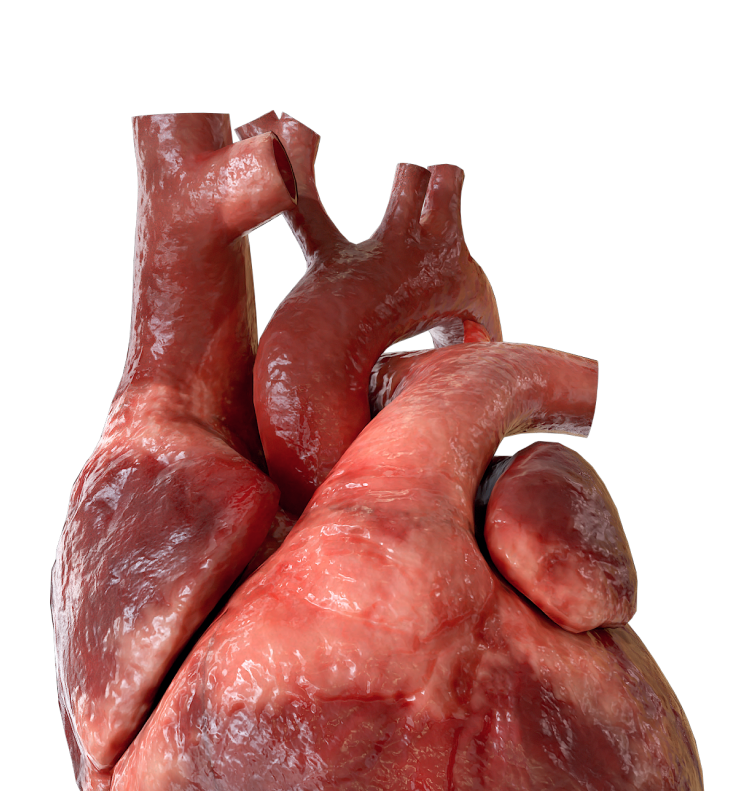
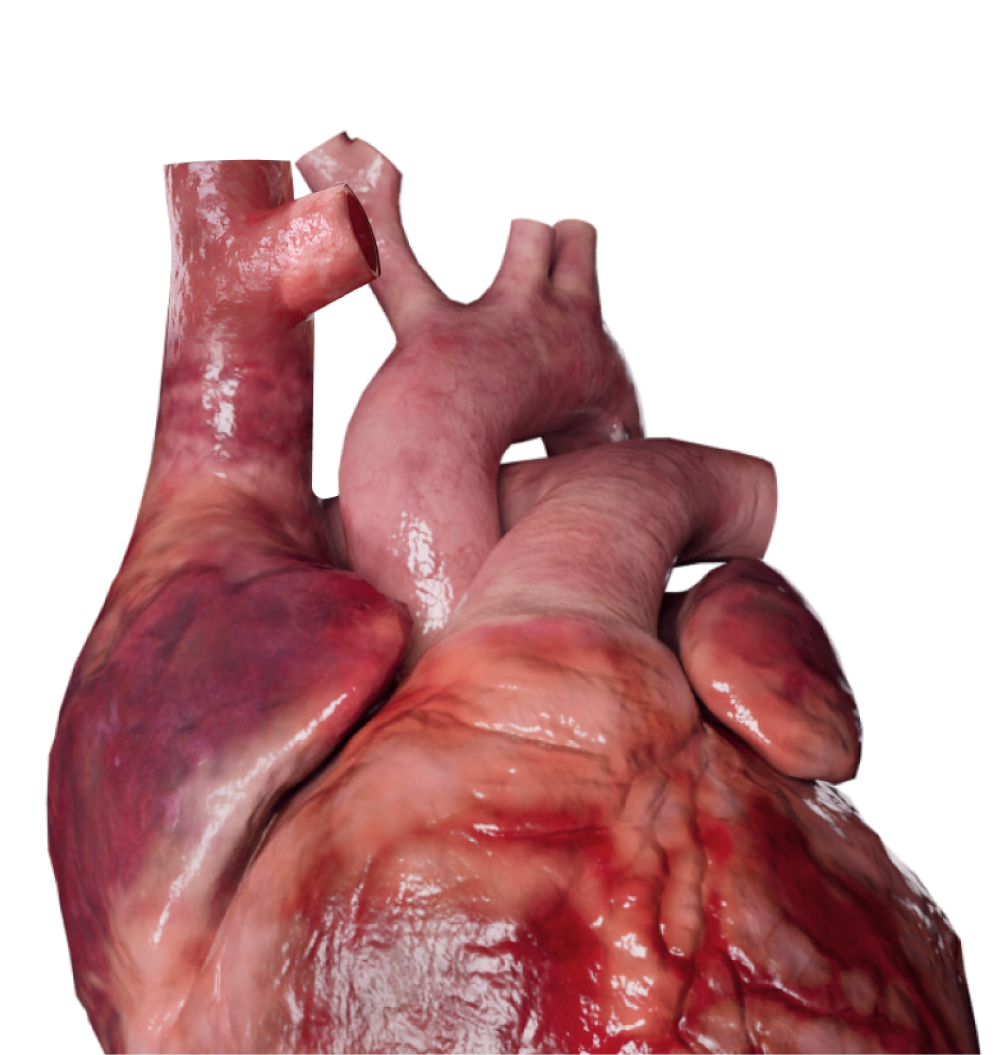
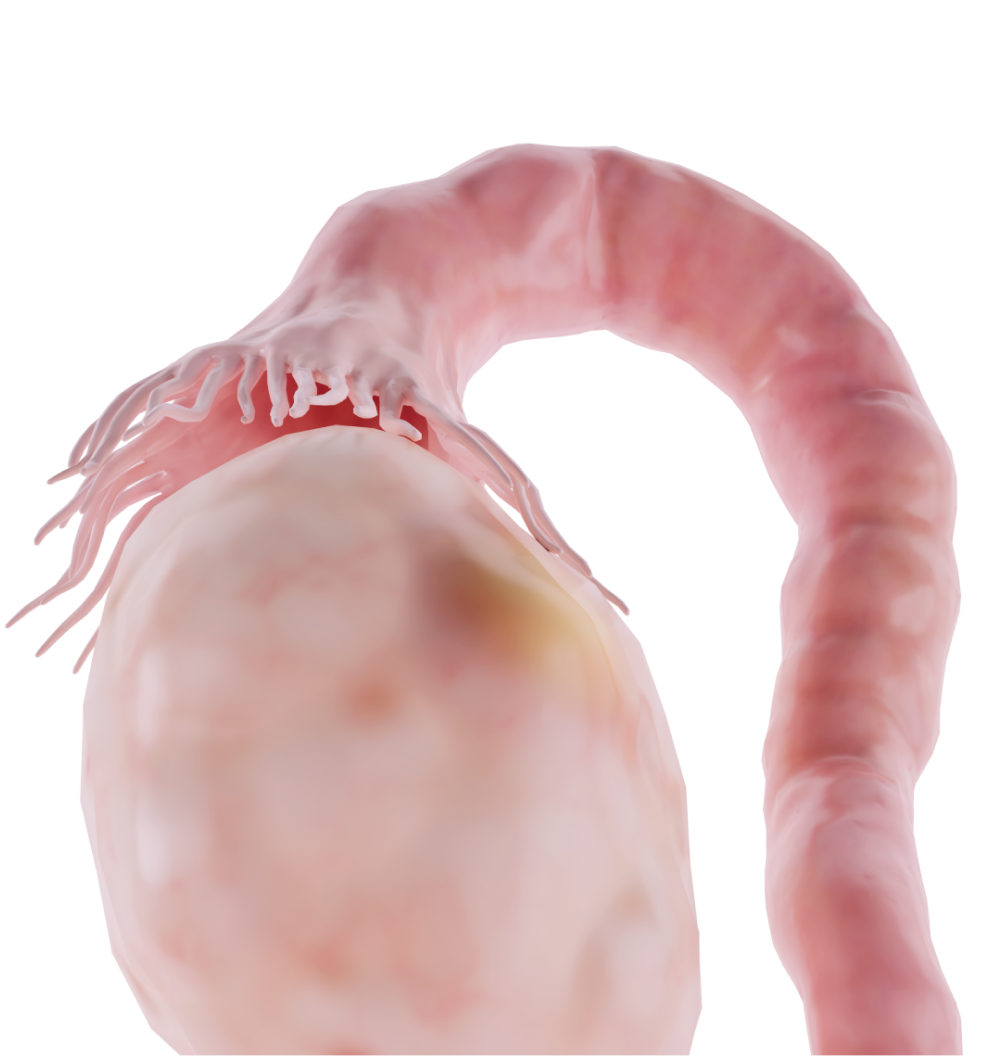
Aortic dissection Aortic dissection is an acute condition in which the innermost layer of the aorta (intima) ruptures, allowing blood to enter the middle layer (media) and form a false lumen.
Aortic aneurysms Aortic aneurysms cause localized dilation of the vessel’s lumen with a > 50 % increase in diameter compared to its normal size.