Aortic aneurysms
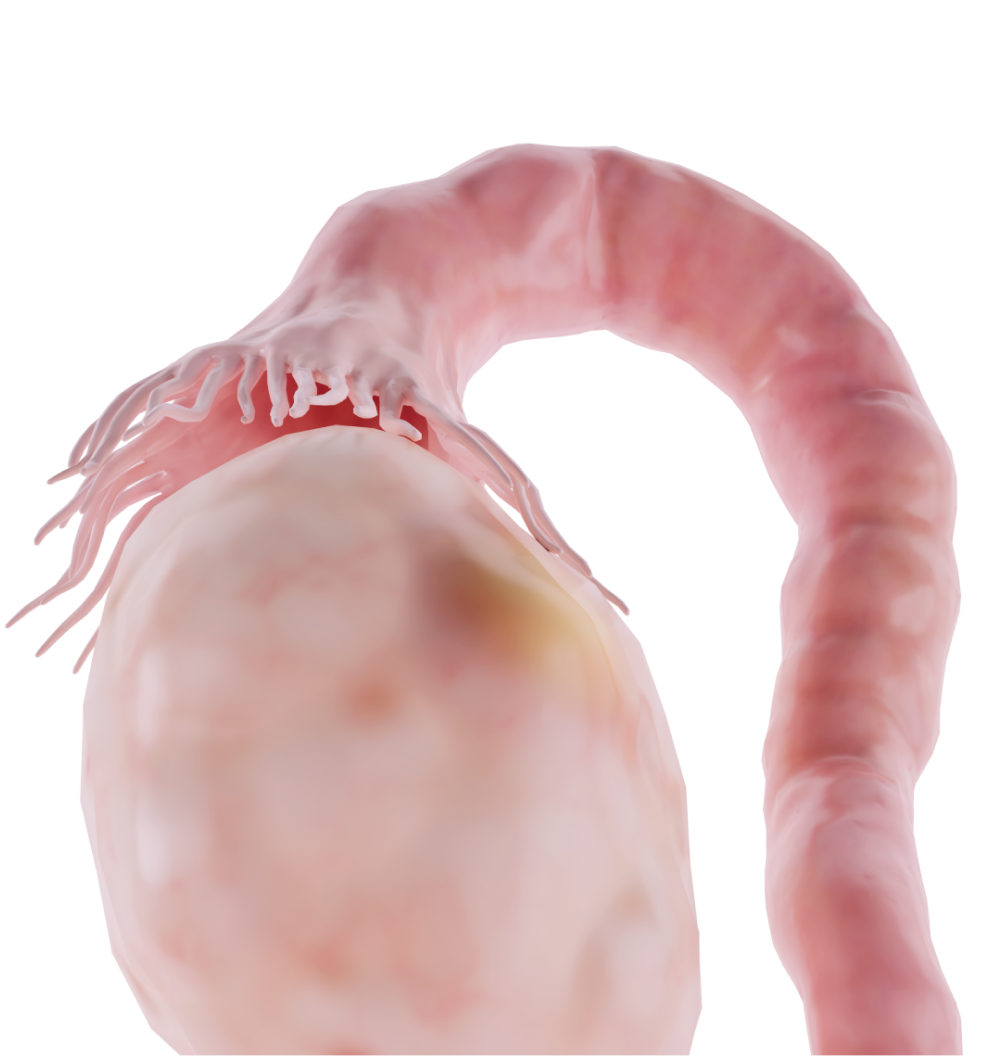
Aortic aneurysms cause localized dilation of the vessel’s lumen with a > 50 % increase in diameter compared to its normal size.
Etiology and Pathogenesis
Aortic aneurysms are among the leading causes of cardiovascular-related deaths. The condition may have different etiologies, including:
Atherosclerosis. This is the primary driver of most aneurysms, particularly abdominal aortic aneurysms.
- Lipid accumulation and inflammation weaken the vascular wall.
- Additionally, the inability of elastic and collagen fibers to regenerate properly results in thinning of the aortic wall.
Genetic predispositions and hereditary disorders. These conditions often affect younger patients.
- Marfan syndrome is characterized by weak connective tissue resulting from impaired fibrillin production.
- Ehlers — Danlos syndrome is associated with a collagen defect that increases the susceptibility of vessels to rupture
- Gene mutations, such as ACTA2, may cause a variety of vascular diseases involving smooth muscle cells.
Infected (mycotic) aneurysms. This type of aneurysms may develop as a result of bacterial or fungal damage to the vascular wall. Causative species include Staphylococcus aureus, Streptococcus spp., Salmonella spp., Candida spp., etc.
Syphilitic (luetic) aneurysms. These aneurysms typically occur during advanced stages of syphilis and primarily affect the thoracic aorta. The disease arises from inflammation of the vasa vasorum, which supplies blood to the vascular wall. This inflammation eventually results in ischemia.
Inflammatory (nonspecific) aneurysms. This abnormality is linked to autoimmune diseases and chronic inflammation, such as giant cell arteritis, Takayasu arteritis, or responses to trauma and foreign bodies.
Traumatic aneurysms. These lesions are triggered by direct trauma resulting from specific events, such as road traffic accidents, or iatrogenic injuries caused by angiographic studies or surgeries.
Age-related vascular changes. Over time, the vascular wall loses elastin deposits and accumulates more collagen. As a result, the aorta progressively becomes less firm and less elastic. The condition is further exacerbated by hypertension.
Hypertension. Chronic elevation of blood pressure leads to microtraumas in the intima. Consequently, the vascular wall becomes overloaded and dilates to preserve its capacity.
Smoking. This is the primary modifiable risk factor for aneurysms. This habit accelerates atherosclerosis and promotes inflammation within the vessels. Some studies indicate that smokers are 5 times more likely to develop abdominal aortic aneurysms compared to nonsmokers.
Aneurysm development is associated with an imbalance between degradation and synthesis of extracellular matrix components.
Over time, the vascular wall weakens and dilates.
Aortic media degeneration
- Elastin and collagen levels decrease.
- Matrix metalloproteinases (MMP-2, MMP-9) become more active, leading to the destruction of the extracellular matrix.
Inflammation
- Chronic inflammation activates macrophages and T-lymphocytes.
- Cytokines, such as IL-6, TNF-α, are produced, which further damage the vascular wall.
Hemodynamic changes
- Increased blood pressure and blood turbulence within the aorta place excessive stress on the vascular wall. The effects are more pronounced at bifurcations and curvatures.
Combined, these processes lead to progressive vascular dilation and increase the risk of rupture.
Classification
Aneurysms may be classified by:
- Location: Abdominal aorta, thoracic aorta, thoracoabdominal aneurysms;
- Shape: Fusiform, saccular.
Abdominal aortic aneurysms:
- Infrarenal (below the renal arteries);
- Juxtarenal (below the renal arteries but in immediate proximity to them);
- Pararenal (affecting one or both renal arteries);
- Suprarenal (above the renal arteries).
Thoracic aortic aneurysms:
- Aortic root aneurysms;
- Ascending aortic aneurysms;
- Aortic arch aneurysms;
- Descending aortic aneurysms.
Thoracoabdominal aortic aneurysms (according to the Crawford classification):
- Type I: Involvement of the entire descending thoracic aorta up to the celiac trunk;
- Type II: Involvement of the entire descending thoracic aorta up to the bifurcation of the abdominal aorta;
- Type III: Involvement of the middle part of the descending thoracic aorta (Th6) up to the bifurcation of the abdominal aorta;
- Type IV: Involvement of the entire abdominal aorta, including the renal arteries;
- Type V (modification): Involvement of the distal thoracic aorta up to the visceral branches.
Clinical Manifestations
The clinical manifestations of aortic aneurysms vary depending on their location, size, growth rate, and associated complications. Most patients, particularly those with small aneurysms, are asymptomatic. The lesions are typically detected during routine examination (ultrasound or CT). In advanced cases, life-threatening complications, such as rupture or dissection, may develop.
Chronic pain: Constant, dull pain in the affected region may be caused by a dilated vascular wall or pressure on the surrounding structures.
- Thoracic aorta: Pain is localized in the chest, back, and interscapular region.
- Abdominal aorta: The abdomen, lumbar region, and flanks may be painful.
Compression symptoms may arise as the aneurysm grows.
- Trachea and bronchi: Dyspnea, hoarse cough.
- Esophagus: Dysphagia (difficulty swallowing).
- Stomach and intestine: Indigestion, a sensation of pressure in the abdomen.
- Nerve roots or spinal cord: Neurological symptoms, including limb weakness or numbness.
A pulsating mass in the epigastric region is often palpated in patients with abdominal aortic aneurysms.
Systemic symptoms: Inflammatory aneurysms may present with fever, weight loss, and anemia.
Large aneurysms (> 5 cm) are often symptomatic due to pressure on the surrounding organs and structures.
Note that rapid growth (>0.5 cm per year) significantly increases the risk of rupture.
Smaller aneurysms are more likely to rupture in women and patients with Marfan syndrome.
Complications
- Rupture (commonly associated with acute pain, hypotension, shock).
- Thromboembolic events caused by blood congestion within an aneurysm.
Diagnosis
The diagnosis is based on imaging studies.
Abdominal ultrasound
This method is frequently used for screening abdominal aortic aneurysm. It helps determine the diameter of the aorta, aneurysm localization, and the presence of thrombi (if any).
Transesophageal echocardiogram (TEE)
The results are used to diagnose thoracic aortic aneurysms, particularly those located within the ascending part and arch. The technique is widely available and does not require the use of a contrast medium. However, it has lower sensitivity when assessing branching vessels or thoracoabdominal aneurysms.
Contrast-enhanced computed tomography (CT angiography)
This is the gold standard for diagnosing aneurysms, providing detailed visualization of the size, shape, and length of an aneurysm.
Advantages:
- Precise evaluation of the diameter and wall thickness;
- Assessment of visceral branch involvement and occlusions;
- Essential data for planning surgery or endovascular procedures.
However, CT angiography involves exposure to ionizing radiation and the use of a contrast medium.
Magnetic resonance imaging (MRI)
This modality delivers high-quality imaging of soft tissues and vessels.
While MRI does not involve exposure to ionizing radiation, it is still too costly and time-consuming. Moreover, MRI is contraindicated for patients with metal implants or medical devices.
As an invasive procedure, angiography is used less frequently but offers certain advantages:
- Evaluation of blood supply to an aneurysm and vascular anatomy prior to surgery;
- Detection of thromboembolism and occlusions.
Still, this method makes it possible to perform treatment and diagnosis procedures simultaneously, such as those required for endovascular treatment.
Laboratory tests cannot serve as a primary diagnostic tool for aneurysms. Nevertheless, they provide essential data for identifying concomitant conditions:
- Complete blood count and blood tests help assess inflammation, renal function, and lipid profile;
- Coagulation panel is a must when planning surgery;
- A serological examination helps rule out syphilitic or infectious origins of an aneurysm.
Treatment
The management strategy depends on the aneurysm's size, location, and risk of rupture.
Medical therapy: This is suitable for small aneurysms (< 5 cm for abdominal aortic aneurysms, < 5.5 cm for thoracic aortic aneurysms) that are asymptomatic and grow at a slow rate (< 0.5 cm per year).
- Hypotensive, lipid-lowering, and disaggregation therapies are optimal in this case.
- Such aneurysms require regular monitoring.
Surgical therapy: Surgery may be preferred in cases of large aneurysms (≥ 5.5 cm for abdominal aortic aneurysms, ≥ 6 cm for thoracic aortic aneurysms) that exhibit a high growth rate (> 0.5 cm per year). Indications include:
- Symptomatic aneurysms (causing pain or compression of the adjacent structures);
- Aneurysms with a high risk of rupture, such as saccular aneurysms.
A healthcare professional should also consider etiology, the patient’s gender, concomitant conditions, etc.
- Open surgery involves resecting the affected segment of the aorta followed by arterial grafting.
For thoracic aortic aneurysms, this procedure requires the use of a cardiopulmonary bypass. In complex cases where the aortic arch and its descending part are affected, hypothermia may be employed. The removed portion of the aorta is replaced, and the brachiocephalic trunk along with vital arteries is replanted, particularly in cases of abdominal aortic aneurysms.
- Endovascular procedures (EVAR/TEVAR) are performed via access through the femoral artery. Under X-ray guidance, a stent graft is inserted into the artery to seal the aneurysmal area. This effectively excludes the aneurysm from circulation, thereby reducing the risk of rupture.
In complex cases involving the aortic arch and descending thoracic aorta, a combination of open surgery and endovascular techniques may be utilized.
Emergency surgery may be required to save a patient’s life in the event of an aneurysm rupture.