VOKA

Atherosclerosis

Table of contents
Atherosclerosis of Aortic Arch Branches Etiology and Pathogenesis Clinical Manifestations Diagnosis Treatment Atherosclerosis of Iliac Arteries Etiology and Pathogenesis Clinical Manifestations Diagnosis Treatment Atherosclerosis of Visceral Branches of Abdominal Aorta Etiology and Pathogenesis Clinical Manifestations Diagnosis Treatment Atherosclerosis of Lower Limb Arteries Etiology and Pathogenesis Clinical Manifestations Diagnosis Treatment

Atherosclerosis of Aortic Arch Branches

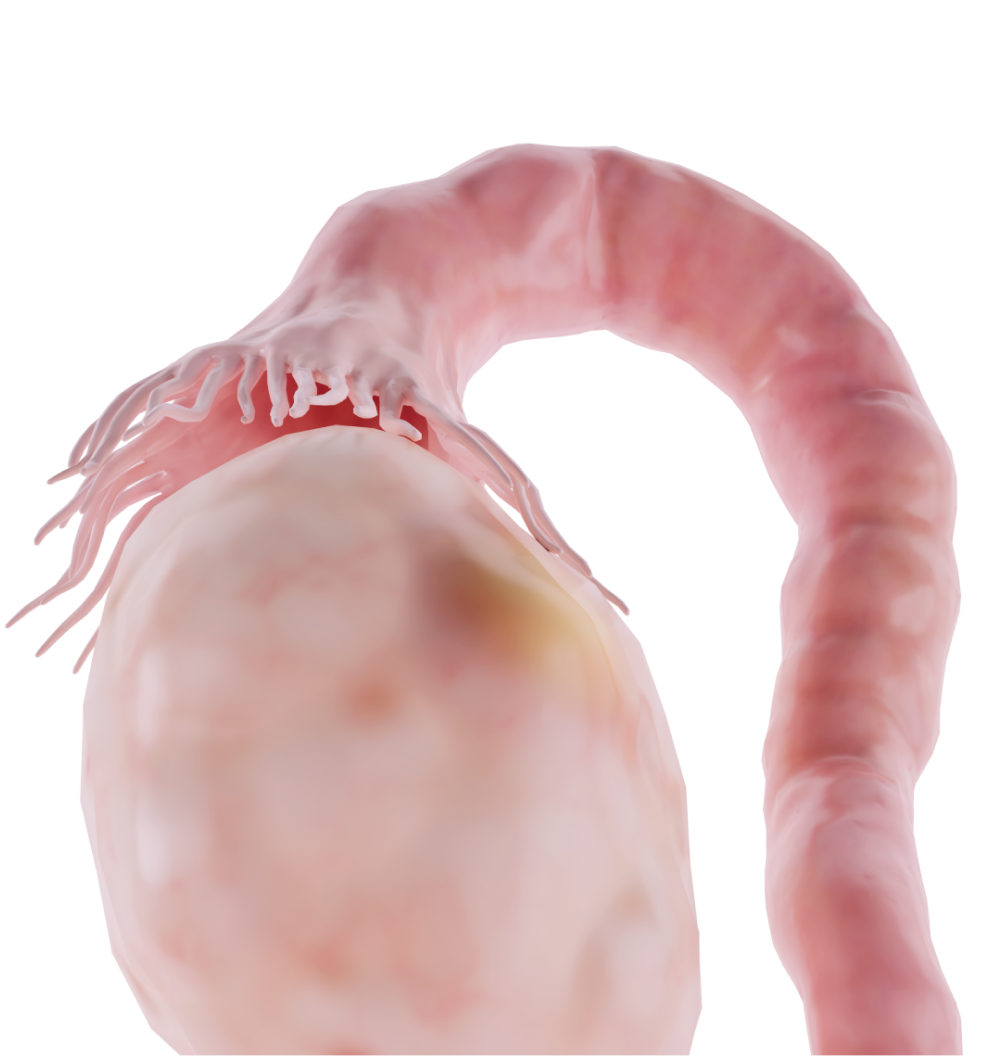
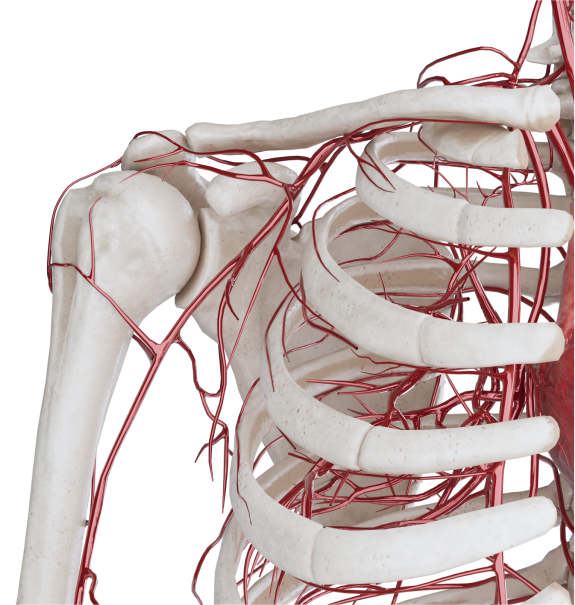
Atherosclerosis of aortic arch branches and cervical arteries is a pathological condition when an atherosclerotic plaque forms in the arterial lumen. As it obstructs the blood flow, the brain and upper limbs develop ischemia.

Etiology and Pathogenesis

Atherosclerotic plaques, or atheromas, are composed of lipids, cholesterol, inflammatory cells, smooth muscle cells, blood cells (such as platelets), and calcium deposits.

Atherogenesis is mostly triggered by endothelial dysfunction and subsequent inflammation. Atherosclerotic plaques tend to develop at sites of increased turbulence in coronary flow, such as branching points of arteries. Besides direct damage, turbulent blood flow also provokes the release of various cytokines and adhesion molecules, thus escalating the risk of plaques and blood clots.

A number of risk factors (hypertension, diabetes mellitus, dyslipidemia, etc.), as well as the release of vasoconstrictors, adhesion molecules, and inflammatory cells during atherogenesis, can cause the formation of atherosclerotic plaques.

Atheromas can be either stable or unstable.

The former are not prone to rupture, usually remain unchanged, and may even regress.

The latter are prone to rupture and erosion and often lead to thromboembolic and ischemic complications. A plaque occludes the vascular lumen and reduces blood flow distal to the lesion. Acute disruption of blood flow along the aortic arch branches may trigger ischemia of the brain and upper limbs.

Clinical Manifestations

Damage to the subclavian artery leads to vertebrobasilar insufficiency in more than 50 % of cases. This condition is typically associated with memory, speech, and vision impairment, dysphagia, fatigue, headaches, fainting, and transient ischemic attacks.

Pain and numbness of the upper limbs is very common, and severe cases may present with necrosis. When a plaque forms in the lumen of the carotid arteries, patients typically experience headaches, vision, hearing, and memory impairment, transient ischemic attacks, and strokes.

Diagnosis

A variety of modalities are used to diagnose the condition, including doppler ultrasound, arteriography, and CT angiography. The results help assess the occlusion degree, pressure gradient, as well the plaque’s size and shape.

Treatment

Medical therapy: Disaggregating, lipid-lowering, antihypertensive medications.

Surgical therapy:

  • Stenting (an X-ray endovascular procedure);
  • Endarterectomy (conventional and eversion methods);
  • Bypass surgery;
  • Replacement.

Atherosclerosis of Iliac Arteries

Sometimes, an atherosclerotic plaque forms in the lumen of an artery leading to ischemia of the lower limbs and pelvic organs. Such cases are generally described as atherosclerosis of iliac arteries, that are most commonly affected.

Etiology and Pathogenesis

These plaques, or atheromas, are composed of lipids, cholesterol, inflammatory cells, smooth muscle cells, blood cells (such as platelets), and calcium deposits.

Atherogenesis is mostly triggered by endothelial dysfunction and subsequent inflammation. Atherosclerotic plaques tend to develop at sites of increased turbulence in coronary flow, such as branching points of arteries. Besides direct damage, turbulent blood flow also provokes the release of various cytokines and adhesion molecules, thus escalating the risk of plaques and blood clots.

A number of risk factors (hypertension, diabetes mellitus, dyslipidemia, etc.), as well as the release of vasoconstrictors, adhesion molecules, and inflammatory cells during atherogenesis, can cause the formation of atherosclerotic plaques.

Atheromas can be either stable or unstable.

The former are not prone to rupture, usually remain unchanged, and may even regress.

The latter are prone to rupture and erosion and often lead to thromboembolic and ischemic complications. A plaque occludes the vascular lumen and reduces blood flow distal to the lesion. Acute disruption of blood flow along the aortic arch may cause serious ischemia of the pelvic organs and lower limbs. In severe cases, necrosis may develop.

The lesions may be solitary and isolated, as well as multiple and diffuse, as seen in Leriche syndrome. The latter is a clinically significant stenosing or occlusion of the terminal abdominal aorta and iliac arteries).

Clinical Manifestations

  • Pain while walking.
  • Intense pain in the lower limbs (muscles of leg, thigh, buttocks), numbness, feeling of cold, paresthesia in cases of severe lesions and occlusion.
  • Pale or cyanotic skin cold to the touch.
  • Decreased or no pulse in the femoral and leg arteries.
  • Paresis, lower limb paralysis, painful upon palpation, edema.
  • Trophic disturbances and necrosis in severe cases.
  • Additionally, sexual dysfunction in Leriche syndrome.

Diagnosis

A variety of modalities are used to diagnose the condition, including doppler ultrasound, arteriography, and CT angiography. The results help assess the occlusion degree, pressure gradient, as well the plaque’s size and shape.

Treatment

Medical therapy: Disaggregating, lipid-lowering, antihypertensive medications.

Surgical therapy:

  • Stenting (an X-ray endovascular procedure);
  • Endarterectomy;
  • Bypass surgery;
  • Replacement.

Lower limb amputation is a last-resort procedure, performed only when the changes are irreversible.

Atherosclerosis of Visceral Branches of Abdominal Aorta

Atherosclerosis of visceral branches of abdominal aorta develops when an atherosclerotic plaque leads to ischemia of abdominal organs and thromboembolic events. The renal arteries are usually the most involved.

Etiology and Pathogenesis

These plaques, or atheromas, are composed of lipids, cholesterol, inflammatory cells, smooth muscle cells, blood cells (such as platelets), and calcium deposits. Atherogenesis is mostly triggered by endothelial dysfunction and subsequent inflammation.

Atherosclerotic plaques tend to develop at sites of increased turbulence in coronary flow, such as branching points of arteries.

Besides direct damage, turbulent blood flow also provokes the release of various cytokines and adhesion molecules, thus escalating the risk of plaques and blood clots.

A number of risk factors (hypertension, diabetes mellitus, dyslipidemia, etc.), as well as the release of vasoconstrictors, adhesion molecules, and inflammatory cells during atherogenesis, can cause the formation of atherosclerotic plaques.

Atheromas can be either stable or unstable.

The former are not prone to rupture, usually remain unchanged, and may even regress.

The latter are prone to rupture and erosion and often lead to thromboembolic and ischemic complications. A plaque occludes the vascular lumen and reduces blood flow distal to the lesion. Eventually, ischemic damage to the organs develops.

Clinical Manifestations

Initially, the condition is asymptomatic. Over time, hypertension develops and urinalysis results deviate from normal. As the disease progresses, a patient may experience renal failure.

Diagnosis

A variety of modalities are used to diagnose the condition, including doppler ultrasound, arteriography, and CT angiography. The results help assess the occlusion degree, pressure gradient, as well the plaque’s size and shape.

Treatment

Medical therapy: Disaggregating, lipid-lowering, antihypertensive medications.

Surgical therapy:

  • Stenting (an X-ray endovascular procedure);
  • Endarterectomy;
  • Bypass surgery;
  • Replacement.

Atherosclerosis of Lower Limb Arteries

Atherosclerosis of lower limb arteries is also associated with an atherosclerotic plaque formed within the arterial lumen and subsequently with lower limb ischemia.

Etiology and Pathogenesis

Atherosclerotic plaques, or atheromas, are composed of lipids, cholesterol, inflammatory cells, smooth muscle cells, blood cells (such as platelets), and calcium deposits. Atherogenesis is mostly triggered by endothelial dysfunction and subsequent inflammation. Atherosclerotic plaques tend to develop at sites of increased turbulence in coronary flow, such as branching points of arteries. Besides direct damage, turbulent blood flow also provokes the release of various cytokines and adhesion molecules, thus escalating the risk of plaques and blood clots.

A number of risk factors, as well as the release of vasoconstrictors, adhesion molecules, and inflammatory cells during atherogenesis, can cause the formation of atherosclerotic plaques.

Atheromas can be either stable or unstable.

The former are not prone to rupture, usually remain unchanged, and may even regress.

The latter are prone to rupture and erosion and often lead to thromboembolic and ischemic complications. A plaque occludes the vascular lumen and reduces blood flow distal to the lesion. Acute disruption of blood flow to the lower limbs may cause necrosis.

Clinical Manifestations

  • Intense pain in lower limbs (muscles of leg and/or thigh), numbness, feeling of cold, paresthesia.
  • Pale or cyanotic skin cold to the touch.
  • Decreased or no pulse in the femoral and leg arteries.
  • Paresis, lower limb paralysis, painful upon palpation, edema.
  • Trophic disturbances and necrosis in severe cases.

Diagnosis

A variety of modalities are used to diagnose the condition, including doppler ultrasound, arteriography, and CT angiography. The results help assess the occlusion degree, pressure gradient, as well the plaque’s size and shape.

Treatment

Medical therapy: Vasoactive, disaggregating, lipid-lowering medications.

Surgical therapy:

  • Stenting (an X-ray endovascular procedure);
  • Endarterectomy;
  • Bypass surgery;
  • Replacement.